

Imagine a couple planning their tenth wedding anniversary. They are not looking for a flight or a visa. They want a quiet table, a long evening and a room they do not have to clean. Dinner at a city restaurant feels too ordinary, and Cox’s Bazar feels like a full production.
So they search for something in between. A place a couple of hours from home, with good food, privacy and a pool they will actually use. The couple is fictional, but the search is very real, and thousands of people run it every month.
That small decision, repeated across a growing middle class, is quietly reshaping a stretch of road. The Dhaka-Mawa Highway used to be a way to get somewhere else. Now it is becoming a place people want to stop, stay and spend.
This article looks at how domestic tourism near the Mawa Highway is building demand for luxury resorts. We will use real spending data, look at what guests expect, run a simple revenue example and talk plainly about risk. If you are thinking about hospitality as an investment, this is the groundwork.
Bangladesh’s Tourism Story Is Mostly a Domestic Story
When people picture tourism, they often imagine foreign visitors with cameras. In Bangladesh, the money tells a different story. According to a Bangladesh Monitor report on WTTC data, domestic visitors spent BDT 843.6 billion in 2023, while international visitors spent BDT 42.7 billion.
Put those side by side and domestic spending is close to twenty times larger. The same report says domestic spending rose 8.5 percent from 2022 and sat 15.7 percent above the 2019 level. It also notes that leisure accounted for about 88 percent of visitor spending in 2023.
In plain words, Bangladeshis travelling inside Bangladesh for pleasure are the engine of the sector. Any resort that wants steady business has to win them first. Here is how the figures look over time.
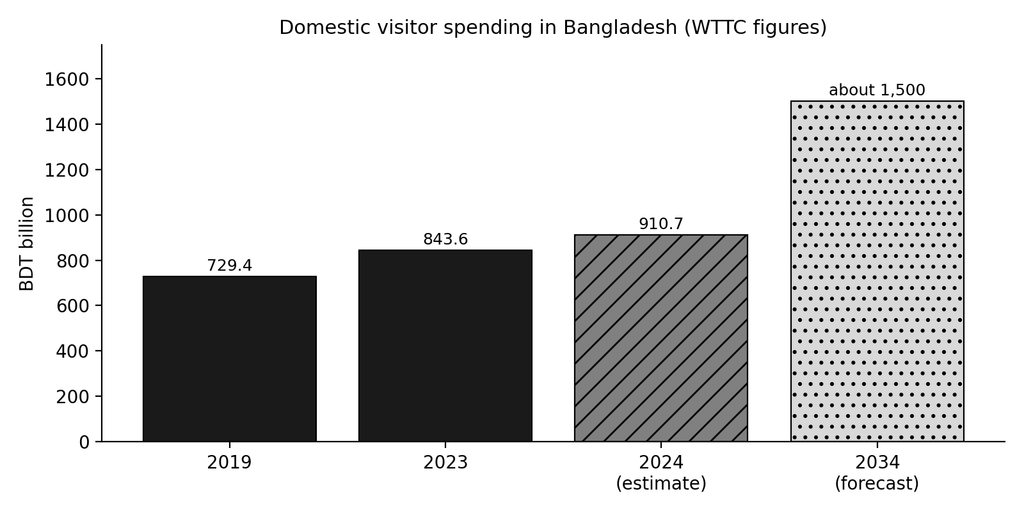
A caution is needed here. The 2024 and 2034 figures are estimates and forecasts from a report published in mid 2024, and forecasts can miss. Newer editions may exist, so check the World Travel and Tourism Council site before quoting these numbers in an investment decision.
The policy mood is supportive too. UNB reported that the tourism ministry aims to lift the sector’s share of GDP from the current two to three percent toward seven percent. A target is not a result, but it shows where official attention is pointing.
Why the Mawa Highway Suits Domestic Travellers
Domestic travellers have specific habits. They tend to travel in families or friend groups, they prefer short trips and they are sensitive to road time. A destination that needs a full day of driving loses to one that needs an afternoon.
The Padma Bridge changed the map. It opened to traffic on 25 June 2022, and The Business Standard reported thousands of visitors at the Mawa end over the Eid-ul-Azha holidays. Prothom Alo added that Parjatan Corporation launched a half-day tour from Dhaka to the bridge for Tk 999 per person.
Those details matter because they show behaviour, not just opinion. People were willing to travel for a view and pay for a packaged trip. A Bangladesh Monitor piece on weekend tourism likewise argued that the bridge opened the door to weekend trips toward the south and south-west.
Add the housing wave. The Business Standard counted about 200 housing projects along the Dhaka-Mawa-Bhanga Expressway. A corridor with growing residents and steady holiday visitors is exactly where leisure businesses start to make sense.
Matribhumi’s project details place Matribhumi City about 18 km from Dhaka Zero Point, adjacent to Nimtola on the expressway. For a Dhaka family, that kind of distance turns a resort stay into something spontaneous instead of a major trip.
From Day Trip to Overnight Stay: The Missing Layer
Sightseeing is cheap. A day visitor might spend on tea, a boat ride and a meal. An overnight guest spends on a room, dinner, breakfast, activities and often a second night. The gap between those two customers is where resort revenue lives.
Many corridors begin with day visitors and then slowly build an accommodation layer. The open question is how far along the Mawa Highway is on that path. I could not find a reliable count of upscale resort rooms on the route in the sources I reviewed.
So treat any claim that the corridor is undersupplied as a hypothesis, not a fact. You can test it yourself by checking how quickly existing stays fill up on holidays, and what they charge when they do. Real demand leaves footprints in booking calendars.
Here is a simple way to think about the stages of a destination.
| Stage | What it looks like | What it means for resorts |
|---|---|---|
| Curiosity | Visitors come to see a landmark and leave the same day | Food stalls and small cafes thrive; few overnight stays |
| Habit | Families return on weekends and holidays | Demand for proper meals, rest areas and day packages |
| Stay | Guests begin to book rooms and plan weekends around the place | Resorts can charge for comfort, privacy and service |
| Premium | Guests pay more for quality, events and repeat visits | Luxury positioning becomes realistic |
Most of the Mawa corridor sits somewhere between habit and stay, and parts of it may be moving toward premium. That progression, if it continues, is the case for luxury resorts. It is still a case, not a promise.
What “Luxury” Means to Today’s Domestic Guest
The word luxury gets used loosely. A marble lobby alone does not make a resort luxurious. Domestic guests, especially those who have stayed at good hotels in Dhaka or abroad, judge a resort on a short list of things.
They want cleanliness that does not slip, food they trust, safe and private spaces for families, and staff who solve problems quickly. They also like extras that make a stay feel like an occasion, such as a good pool, a garden, a spa corner or a place to hold a small celebration.
| Guest expectation | Why it matters | What an investor should check |
|---|---|---|
| Consistent service | Reviews spread fast, good and bad | Who trains and manages the staff |
| Food quality | Meals shape the whole memory of a stay | Kitchen plans and dining options |
| Privacy and safety | Families choose resorts they feel at ease in | Layout, security and guest policies |
| Event space | Weddings and corporate retreats fill quiet days | Capacity, parking and catering plans |
| Easy access | Short trips depend on smooth roads | Entry points and traffic at peak times |
Notice that most of these are about operations, not architecture. A resort can be built in two years and still take another two to earn a good reputation. That is a long runway, and investors should plan for it.
Beyond the Room: Events, Weddings and Corporate Retreats
Rooms are only one part of a resort’s income. The properties that cope best with slow seasons usually sell space and experiences as well. A lawn, a hall and a decent kitchen can earn money on days when no one is checking in.
Corporate teams look for quiet places for offsites and training days. Families book gatherings for birthdays, engagement parties and small weddings. Day packages let nearby residents use the pool and dining without staying overnight, which brings in steady cash between the busy weekends.
For an investor, this matters because it softens the swings we saw in the occupancy table. A resort with several income streams is harder to knock off course than one that depends on leisure rooms alone. When you review a project, ask which of these streams the plan includes and how each one is priced.
It is also a fair test of ambition. A developer who has thought about event space, parking, catering and corporate packages is usually thinking like an operator. One who talks only about views and pools may still be thinking like a builder.
Four Signals You Can Watch to Read Demand Yourself
You do not need an economist to judge whether demand is real. A few observations, collected over a couple of months, tell you more than a glossy presentation.
- Holiday traffic. Drive the corridor on a Friday evening and a holiday weekend, then compare it with a normal weekday.
- Booking lead time. Ask nearby stays how far ahead they are fully booked. Short lead times suggest softer demand.
- Average spend. See what guests actually pay per night, not the rack rate printed on a menu.
- Repeat visits. Ask whether guests come back. Repeat business is the best sign of a place people love.
If these signals look healthy, the story holds together. If they look patchy, it may be early, and patience is cheaper than regret.
The Simple Maths of a Resort: Rooms, Occupancy and Rate
Resort economics look complicated, but the core idea is plain. Revenue from rooms equals the number of rooms, times the share of nights they are occupied, times the average price per night. Everything else builds on that.
Here is a hypothetical example. It is not a forecast and it does not describe any real project. It uses 60 rooms and an average rate of Tk 8,000 per night, and shows how occupancy alone moves the result.
| Occupancy | Room nights sold per year | Average rate | Gross room revenue |
|---|---|---|---|
| 45 percent | 9,855 | Tk 8,000 | about Tk 7.9 crore |
| 60 percent | 13,140 | Tk 8,000 | about Tk 10.5 crore |
| 70 percent | 15,330 | Tk 8,000 | about Tk 12.3 crore |
The swing between the first and last rows is several crore taka, and the gap comes entirely from how full the rooms are. Staff, power, food and maintenance costs do not fall by the same proportion when rooms sit empty. That is why occupancy is the number every resort investor should ask about first.
Remember too that this is gross revenue, not profit. Operating costs, management fees and repairs come out before anything reaches an owner. Ask any developer to show the full chain from revenue to what an investor might receive, in writing.
Where Matribhumi Resort Fits In
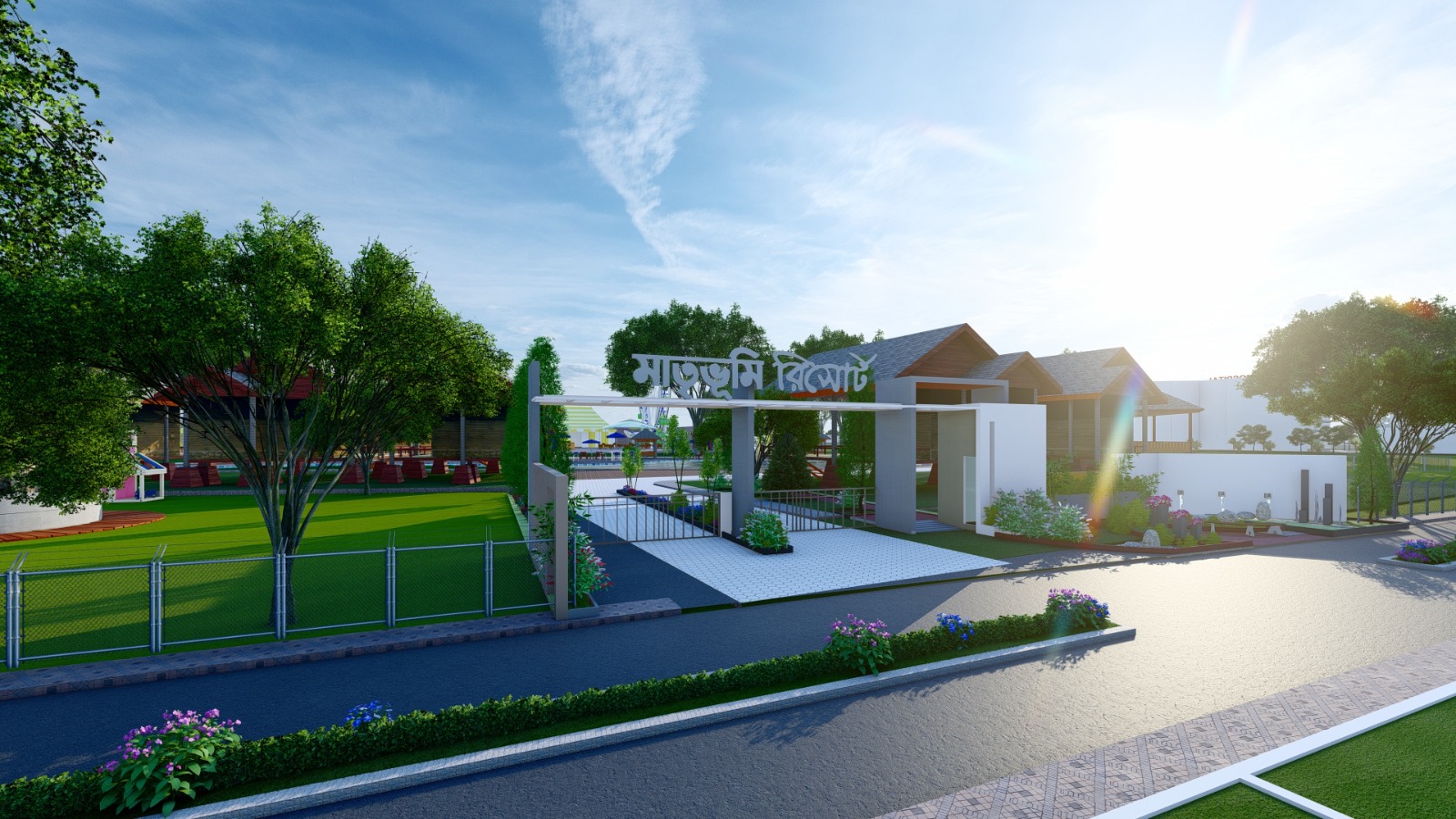
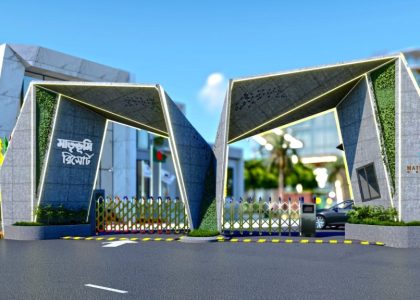
Matribhumi Developer and Properties Ltd. presents Matribhumi Resort as an ownership share opportunity beside the Nimtala Bus Stand on the Dhaka-Mawa Highway in Munshiganj. You can read the company’s own description on the Matribhumi website.
The site describes profit sharing and yearly stays for share owners. Those are features worth understanding in detail, not just admiring. Ask what a share legally represents, how profit is calculated and who runs the resort once it opens.
Be careful with descriptive labels as well. The site speaks of a five star experience, and that is a good prompt to ask a simple question. Who rates the resort, by what standard, and when? A star rating should follow the building and its operations, not lead them.
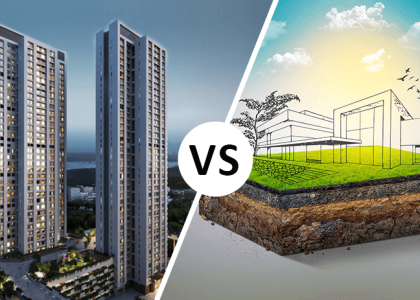
It also helps to see the resort beside the developer’s other work. The project details for Matribhumi City list 3,707 plots across about 750 bighas, and you can explore the project layout and project location pages. Land and hospitality behave differently, and many careful buyers hold both in sensible proportions.
For pricing and paperwork, see the current price list and the project brochure. You can learn about the people behind the company on the Board of Directors page, and reach the team through the contact page.
How Domestic Demand Can Disappoint
Strong demand in general does not guarantee strong demand for one particular resort. Several things can pull results below the optimistic picture.
- Seasonality. A Daily Star report citing WTTC describes the peak season as November through March, so the other months need a plan.
- Holiday clustering. Many guests arrive together on a few weekends, then rooms sit quiet in between.
- Price sensitivity. Domestic guests compare prices closely, and a luxury rate has to feel earned.
- New competition. Success attracts rivals, and more resorts can share the same guest pool.
- Road conditions. Traffic jams on a big holiday can sour a trip before it begins.
- Economic mood. When household budgets tighten, leisure spending is often among the first things to be trimmed.
None of this cancels the opportunity. It simply means a good resort needs a business plan that survives a slow year, not only a busy one. Ask to see how the numbers look in a cautious scenario, not just the hopeful one.
Be wary of fixed or guaranteed return promises as well. Resort income depends on guests, seasons and costs, so a guarantee needs a clear and documented source of funds behind it. Without one, treat it as marketing language.
An Investor’s Checklist for Luxury Resort Projects
Before you commit money to any resort share or unit, work through these questions. Most of them can be answered in a week.
- Land and title. Verify ownership, mutation and khatian records, and ask for the saof kabala deed.
- Legal structure. Have an independent lawyer explain exactly what your share gives you.
- Approvals. Confirm that the permits for construction and operation are in place.
- Construction progress. Compare the real state of the site with the schedule you were shown.
- Operator. Find out who will manage the resort and how their other properties perform.
- Demand evidence. Ask what data supports the occupancy and rate assumptions.
- Cautious case. Request a scenario with lower occupancy and a delayed opening.
- Exit terms. Understand how, when and at what cost you can sell or transfer your share.
- Site visit. Matribhumi offers a site visit option so you can see the ground first hand.
Speaking with existing buyers is worth the effort too. Their experience tells you how a developer behaves after the money changes hands, which is the part a brochure cannot show.
How Big Should the Resort Slice of Your Portfolio Be?
That depends on your income, your goals and how long you can wait. A sensible rule of thumb is to treat hospitality as one slice of a wider plan rather than the whole of it. Land, rental property, funds and cash all play different roles, as we explored in our guide to risk diversification in real estate.
A useful test is to imagine the resort opening a year late and filling slowly in its first season. If that scenario would hurt your family finances, the amount is probably too large. If you could live with it comfortably, you are likely sizing the commitment well.
Avoid borrowing heavily for an asset that has not started earning. Patience is a cheap strategy, and it keeps your choices open while the picture becomes clearer.
Frequently Asked Questions
Why is domestic tourism so important for resorts in Bangladesh?
Because it makes up most of the spending. WTTC figures cited by Bangladesh Monitor show domestic visitor spending far above international spending, so resorts that win local guests have a large base to draw from.
Is the Mawa Highway a good location for luxury resorts?
It has useful strengths, including expressway access, holiday visitors and a growing nearby population. Whether a specific resort succeeds still depends on its quality, price and management.
Does a luxury resort guarantee profit for share owners?
No. Income depends on occupancy, rates and costs, and a new resort needs time to build a reputation. Ask for the profit sharing terms in writing and be cautious with fixed return promises.
How can I check whether demand is real before investing?
Watch holiday traffic, ask nearby stays about booking lead times, learn the real average spend and look for repeat guests. A few weeks of observation adds a lot of clarity.
Final Thoughts: Follow the Guests, Then Check the Paperwork
Think back to the couple planning their anniversary. Multiply their search by thousands of families, friends and colleagues, and you can see why resorts are appearing near the Mawa Highway. Domestic travellers are the sector’s biggest spenders, and they want somewhere close that feels special.
That is a solid reason to take luxury resort demand seriously. It is not a reason to skip due diligence. Good investors verify the land, read the agreement, test the demand story and size their commitment to what they can afford to wait for.
If you are weighing options along the corridor, start with the Matribhumi properties page, ask your hardest questions early and visit before you decide. The best resort investments reward people who looked closely.