

Choosing the best real estate development company in Bangladesh requires checking legal documents, project approvals, REHAB membership, infrastructure plans, transparent pricing, and verified handover records. For apartment buyers, companies such as BTI and Sheltech offer residential and commercial property portfolios. For buyers interested in planned townships, Matribhumi Smart City by Matribhumi Developer & Properties Ltd. (MDPL) is one project to evaluate alongside other land developments. The right choice depends on your property needs, budget, location, and independent verification of the specific project.
Key takeaways
- Verify the developer’s registration and relevant project approvals before paying.
- Check land ownership, title history, CS/SA/RS/BS records, mutation documents, and applicable encumbrances with independent legal assistance.
- Compare actual project progress and completed handovers rather than relying on promotional claims.
- Review the total purchase cost, payment schedule, registration expenses, and refund conditions in writing.
- Choose a developer whose project type matches your needs, whether that means an apartment, a commercial property, or a plot in a planned township.
- Treat REHAB membership as one useful credibility signal, not a guarantee of legal ownership, construction quality, or timely delivery.
What Makes a Real Estate Development Company Trustworthy in Bangladesh?
A trustworthy real estate developer should be able to demonstrate lawful operations, clear property documentation, relevant project approvals, realistic delivery commitments, and transparent financial terms. Buyers should verify these details independently instead of relying only on advertisements, sales representatives, or brand recognition.

Bangladesh’s property market includes apartment developers, commercial property specialists, land development companies, and large residential township projects. These businesses do not necessarily offer comparable products. A company experienced in constructing apartments may not be the right fit for someone seeking a serviced residential plot with planned roads, drainage, and community facilities.
For that reason, identifying the best real estate development company in Bangladesh starts with defining the property you want and establishing objective criteria for evaluating developers.
Real Estate Companies in Bangladesh: Understanding the Main Categories
Before comparing individual companies, understand the different types of real estate development available in the country.
Luxury and Mid-Range Apartment Developers
Apartment developers acquire or partner with landowners, design residential buildings, manage construction, and sell individual apartments. Their projects may include lifts, parking, security, common areas, and other residential facilities.
When comparing apartment developers, examine building approvals, construction specifications, structural design, apartment layouts, common-area management, parking rights, and handover commitments.
Commercial Real Estate Development Companies
Commercial real estate development companies develop offices, retail spaces, mixed-use buildings, and other business properties. Buyers and investors should consider accessibility, permitted property use, parking, building services, maintenance expenses, and potential tenant demand.
A prominent residential developer may also operate in the commercial market, but experience in one category does not automatically establish expertise in every other category.
Land Development Companies in Bangladesh
Land development companies prepare land for residential or commercial use. Depending on the project, their responsibilities may include approved layouts, road networks, drainage, utility planning, and shared facilities.
Buyers interested in land should investigate ownership and title history, plot boundaries, project approvals, development obligations, and the actual status of promised infrastructure.
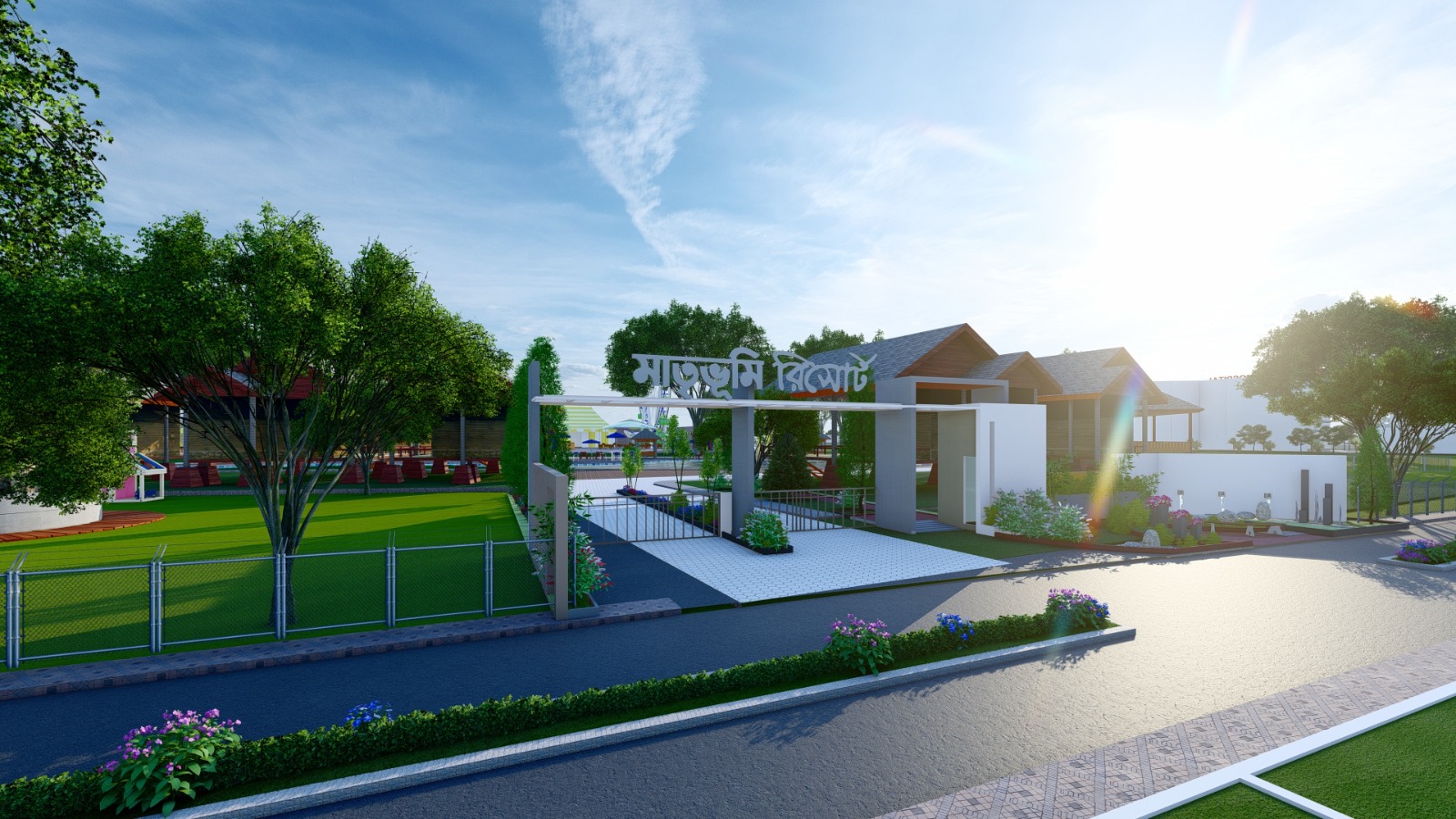
Matribhumi Smart City, developed by MDPL, is one example of a planned township project buyers can investigate using these criteria. Its advertised location and amenities should be assessed alongside documentary evidence of approvals, ownership, infrastructure delivery, and contractual obligations.
Comparison of Real Estate Developers in Bangladesh
There is no single, independently verified ranking that establishes one company as the best real estate developer for every buyer. A more useful approach is to compare publicly identifiable developers by their stated portfolios and then apply the same legal, financial, and delivery checks to each shortlisted project.
The following comparison is a starting point for research, not an endorsement or a ranking.
| Developer | Publicly identifiable focus | What buyers should investigate |
|---|---|---|
| Matribhumi Developer & Properties Ltd. (MDPL) | Matribhumi Smart City and other listed property offerings | Township approvals, title documentation, infrastructure progress, plot availability, and contractual handover conditions |
| BTI (Building Technology & Ideas Ltd.) | Residential apartments and property development | Project-specific approvals, specifications, payment terms, and completed handovers |
| Sheltech (Pvt.) Ltd. | Residential and commercial developments | Building approvals, construction progress, handover commitments, and maintenance arrangements |
| Shanta Holdings Ltd. | Residential and commercial real estate | Building specifications, title and approval documents, service charges, and delivery records |
| Bashundhara Group | Large-scale business and property interests, including the Bashundhara Residential Area | The exact legal entity, land title, applicable approvals, infrastructure status, and plot-specific documentation |
| Navana Real Estate Ltd. | Residential and commercial property development | Project approval, construction quality, contractual delivery date, and total cost |
Important: These categories describe publicly presented business activities, not independently verified quality rankings. A developer’s overall reputation cannot substitute for checking the exact project, land parcel, and purchase agreement.
How to Compare Luxury Apartments and Planned Land Townships
| Evaluation factor | Luxury or mid-range apartments | Planned land township |
|---|---|---|
| Main purchase | An apartment in a building | A specific plot of land |
| Legal checks | Land title, development agreement, approved building plan, and apartment allocation | Land title chain, plot schedule, layout approval, and land development permissions |
| Construction or development checks | Structural work, materials, utilities, fire safety, and common facilities | Roads, drainage, land filling where appropriate, utilities, and shared infrastructure |
| Handover checks | Apartment condition, common areas, parking rights, and utility connections | Identified plot boundaries, contractual possession, access roads, and promised services |
| Ongoing expenses | Service charges, maintenance, and applicable taxes | Land development charges, maintenance obligations, and applicable taxes |
| Key question | Will the apartment be delivered as contracted and approved? | Is the plot legally transferable and will the promised infrastructure be delivered? |
The most relevant comparison is between projects serving the same purpose and budget. An apartment and a township plot have different legal documents, delivery milestones, and long-term responsibilities.
Why REHAB Membership Matters When Choosing a Developer
The Real Estate & Housing Association of Bangladesh (REHAB) is an industry association for real estate businesses. Its published membership criteria include corporate registration, evidence of an active development business, company documents, project information, and relevant approval documents. REHAB also describes an application review process that includes inspection and consideration by its membership committee.
Buyers can consult the official REHAB membership criteria and REHAB member directory to investigate a developer’s membership status.
However, membership is not a substitute for project-level due diligence. It does not independently establish that every property offered by a member has a clear title, every approval is current, or every handover commitment will be met.
Before relying on a membership claim, confirm the company’s exact legal name and membership details. Then independently verify the project’s land documents, approval status, and contractual terms.
How to Verify Property Documents in Bangladesh
Legal verification is one of the most important parts of choosing a real estate company in Bangladesh. A professional-looking brochure, a registered business, or a familiar brand name cannot establish that a particular plot or apartment is free from legal problems.
Check the Land Title and Ownership History
Ask for the original or properly certified copies of the relevant documents, as appropriate:
- The current ownership deed and earlier deeds establishing the title chain.
- Relevant CS, SA, RS, and BS khatians, depending on the property’s survey and record history.
- The relevant mouza map, plot or dag details, and boundary information.
- Mutation or e-mutation records and current land development tax receipts.
- Any applicable powers of attorney, development agreements, inheritance documents, or co-owner consents.
- Information about mortgages, registered interests, pending disputes, acquisition notices, or other encumbrances.
Not every property will have every document in the same form. The relevant records depend on the land’s history and location. A qualified property lawyer should establish which documents apply and investigate discrepancies between them.
Understand the Registration Act, 1908
The Registration Act, 1908 governs the registration of documents in Bangladesh. Section 17 identifies categories of documents for which registration is compulsory, including specified instruments affecting rights in immovable property.
Registration is an important legal step, but buyers should not assume that a registered deed alone resolves every question about ownership, previous transfers, competing claims, or project approval.
Ask an independent lawyer to review the complete transaction and confirm that the proposed agreement, transfer documents, parties, and registration process are appropriate for the property.
Use Official Digital Land Services
The Ministry of Land provides online services for land records, mutation, maps, and related processes through its Land Service Gateway and e-Mutation portal. The digital land map portal can also support location and mapping checks.
These services can help buyers retrieve or examine relevant records. They do not replace verification of original documents, official records where necessary, or independent legal advice.
Verify RAJUK or the Relevant Development Authority’s Approval
For properties within RAJUK’s jurisdiction, check the relevant approvals and requirements through the official RAJUK website. RAJUK publishes information on real estate development regulations, private housing project rules, registered developers, and approved residential project layouts.
RAJUK’s jurisdiction does not cover every location in Bangladesh. Depending on the property’s location, another authority may be responsible.
For a proposed township, ask for the applicable developer registration, approved layout, project-specific approval documents, and evidence that the advertised plot falls within the approved project boundaries. Do not treat a submitted application or an approval for a different phase as approval for the exact plot being sold.
A Six-Step Checklist for Choosing a Trusted Real Estate Developer

Use the same checklist for every shortlisted developer. It makes comparisons more consistent and helps separate verifiable facts from sales claims.
Step 1: Verify the Company
Confirm the company’s legal identity, registration details, business address, and relevant developer registration. Check REHAB membership if the company claims to be a member.
Match the name on the company documents with the entity named in the proposed sale agreement. If a different company, landowner, or intermediary is involved, ask for an explanation and have the relationship reviewed.
Step 2: Verify the Property Documents
Request the land title chain, applicable khatians, mutation records, mouza map, tax receipts, and project approvals. Ask an independent property lawyer to review them.
For apartments, also examine the landowner-developer agreement, power of attorney where applicable, approved building plans, and documents identifying the apartment being sold.
For township plots, verify the approved layout, plot number, area, boundaries, and legal basis for the developer’s sale or allocation.
Step 3: Inspect the Actual Project Site
Visit the site rather than relying entirely on digital renders or sales-office presentations.
For apartments, inspect the construction stage, access, drainage, construction quality, and surrounding development. For townships, inspect roads, drainage, land levels, boundary markers, access routes, and the status of advertised facilities.
Ask the developer to distinguish completed facilities from those that are planned, under construction, or subject to future approvals.
Step 4: Check Delivery and Handover Records
Ask to see a list of completed projects and, where possible, visit completed developments. Speak with existing buyers or residents independently if they are willing.
Compare promised and actual delivery dates, the condition of completed properties, the process for resolving defects, and the availability of utilities.
For ongoing projects, ask for a written construction or infrastructure schedule, the contractual handover date, and the terms that apply if delivery is delayed.
A company’s published handover list can help you identify projects for further investigation, but it should not be treated as independently audited evidence of performance.
Step 5: Compare the Full Price and Contract
A low advertised price does not necessarily mean a lower total purchase cost.
Request an itemized quotation covering the property price, booking money, installment schedule, registration-related costs, applicable taxes and fees, utility connections, service charges, development charges, and other contractual expenses.
Read the agreement carefully. Confirm the refund policy, cancellation conditions, late-payment charges, changes to specifications, possession terms, and remedies for a breach of contract.
Ask for receipts for every payment and use the payment method and account specified in the verified agreement.
Step 6: Compare Evidence Before Making a Decision
Create a side-by-side record of what each developer can prove. Separate verified facts from statements that still need confirmation.
A useful comparison should include:
- Company and developer registration.
- REHAB membership, where applicable.
- Legal title and relevant approvals.
- Project progress and infrastructure delivery.
- Completed handover evidence.
- Total price and written contract terms.
- Responsiveness to document requests and complaints.
Do not let a high score in one area compensate for a serious unresolved legal concern. If title, authority to sell, or essential approvals remain unclear, pause the transaction until the issue is resolved.
Is Matribhumi Smart City Worth Considering?
Matribhumi Smart City is MDPL’s planned township project near Nimtola along the Dhaka–Mawa corridor. MDPL’s website describes a large-scale development with residential, commercial, and other plot categories, alongside proposed or advertised community amenities.
For buyers seeking land rather than an apartment, the project provides a specific option to investigate within the broader market of land development companies in Bangladesh.
The key is to distinguish a project’s advertised plans from its independently verified status. Buyers should request current documentary evidence and inspect the site before relying on claims about its location, infrastructure, amenities, or development progress.
What Should Buyers Verify at Matribhumi Smart City?
Legal and regulatory status: Ask MDPL for the relevant developer registration, project approvals, approved layout, and supporting land ownership documents. Independently confirm the documents with the appropriate authority and a property lawyer.
Plot availability and boundaries: Confirm the exact sector, block, plot number, area, boundaries, and contractual rights. Ensure that the plot shown on the sales plan corresponds to the documents in the proposed transaction.
Infrastructure progress: Inspect road construction, drainage, land development, and other facilities. Ask for a written schedule for incomplete work and clarify which facilities are contractual commitments.
Pricing and payment terms: Review the latest official price list, installment schedule, additional charges, refund provisions, and registration-related expenses. Get all agreed terms in writing.
Possession and transfer: Confirm the conditions and expected timing for possession, transfer, and registration. Ask what happens if a required approval, infrastructure milestone, or contractual obligation is not completed on schedule.
For further information, visit MDPL’s official company profile, browse its listed properties, and review the official price list. These are useful starting points for gathering information, not substitutes for independent verification.
Who May Find Matribhumi Smart City Relevant?
The project may be relevant to buyers who want to investigate a planned land development near the Dhaka–Mawa corridor rather than purchase an apartment in central Dhaka.
It may not fit every buyer. People who need immediate residential occupancy, depend on already operating urban amenities, or prefer a completed apartment may have different requirements.
The decision should depend on the buyer’s intended use, budget, expected holding period, location needs, and the verified legal and development status of the specific plot.
How to Identify Warning Signs Before Buying Property
Be cautious if a developer or intermediary:
- Pressures you to pay before allowing reasonable document checks.
- Refuses to provide relevant title, registration, or approval documents.
- Offers inconsistent plot numbers, areas, boundaries, or prices across documents.
- Promises guaranteed investment returns or price appreciation without a defensible basis.
- Cannot explain the legal relationship between the landowner, developer, and seller.
- Gives vague answers about handover dates, refunds, infrastructure, or additional charges.
- Requests payment to an account that does not match the verified transaction arrangements.
One warning sign does not automatically establish fraud. However, unexplained inconsistencies should be resolved before you proceed. Seek independent legal advice and avoid relying on verbal assurances where important rights and obligations should appear in writing.
Frequently Asked Questions
Which is the best real estate company in Bangladesh?
There is no universally established best real estate company for every buyer. The right developer depends on whether you want an apartment, a commercial property, or land in a planned township. Compare legal title, project approvals, completed handovers, construction or infrastructure quality, transparent pricing, and the written purchase agreement before choosing.
How do I choose a reliable developer in Bangladesh?
Verify the company’s legal identity and relevant developer registration, check REHAB membership if claimed, and independently review the property’s title and project approvals. Visit the site, examine completed projects, compare total costs, and confirm handover and refund terms in writing. Use a qualified property lawyer before committing to a major purchase.
Is REHAB membership enough to trust a real estate company?
No. REHAB membership is a useful industry credential, but it does not independently guarantee clear property title, valid approval for every project, construction quality, or timely handover. Buyers should verify the company and the specific property separately.
How can I check whether a housing project is approved by RAJUK?
Start with the relevant project and developer records published by RAJUK. Request the official approval documents and approved layout from the developer, then confirm that they cover the exact project, phase, and plot being offered. If the property is outside RAJUK’s jurisdiction, identify and consult the relevant development authority.
What documents should I check before buying a plot in Bangladesh?
Depending on the property’s history, check the title chain, relevant CS/SA/RS/BS khatians, mutation records, land development tax receipts, mouza map, plot details, project approvals, and any applicable powers of attorney or development agreements. An independent lawyer should determine which documents are necessary and whether the title is transferable.
What is the difference between a real estate developer and a land development company?
A real estate developer may construct apartments, commercial buildings, or mixed-use projects. A land development company focuses on preparing land for use, potentially through planned layouts, roads, drainage, utilities, and community facilities. Some companies operate in both categories, but buyers should verify the specific project and the company’s contractual responsibilities.
Should I buy an apartment or a plot in a planned township?
The answer depends on your intended use, timeline, budget, and tolerance for development-related uncertainty. An apartment may suit someone seeking a defined residential unit, subject to construction and handover conditions. A township plot may suit someone seeking land for future use, subject to title, approvals, infrastructure delivery, and possession terms. Neither option is automatically better for every buyer.
How can I check the price of a property from MDPL?
Visit MDPL’s official price list and ask the company for a current, itemized quotation for the exact property. Confirm the total price, payment schedule, additional charges, refund conditions, and registration-related expenses in writing before making a payment.
Final Checklist Before You Book a Property
Before paying a booking fee or signing an agreement, make sure you can answer these questions:
- Have I verified the legal identity of the company selling the property?
- Have I checked the relevant title documents and project approvals independently?
- Does the exact plot or apartment match the approved plans and transaction documents?
- Have I inspected the actual site and confirmed what is complete versus promised?
- Do I understand the total price, payment schedule, refund policy, and handover terms?
- Has an independent property lawyer reviewed the transaction?
If any critical answer is unclear, request the missing evidence before proceeding.
Explore MDPL’s Property Options
If you are exploring planned land developments near Dhaka, Matribhumi Smart City is one option to assess against your requirements. Start by reviewing MDPL’s company information, listed properties, and current price information, then request the relevant project documents and arrange a site visit.
Interested in Matribhumi Smart City?
- Learn about MDPL
- Explore available properties
- Review the price list
- Contact MDPL to book a project visit or request a document review
A property purchase should be based on verified documents, clear contractual obligations, and a realistic understanding of project delivery. Compare developers on evidence rather than promotional claims, and seek independent legal advice before committing your money.