


Tanvir was twenty-nine when he first walked into a bank to ask about a home loan. The officer quoted him a rate of just under 14 percent, handed him a stack of paperwork, and casually mentioned that with processing fees and insurance add-ons, his effective cost of borrowing would sit even higher. He left that meeting feeling like owning property was something that happened to other people, people with better salaries or richer fathers.
Then a colleague mentioned something that changed the entire calculation: several developers in Bangladesh sell land and resort shares through interest-free installment plans, where you pay the actual sticker price spread across months or years, with no interest stacked on top. Tanvir had heard the phrase before but never actually understood why it existed or how investors were using it to their advantage. Once he did, the math looked completely different.
This is that explanation, the one nobody gave Tanvir at the bank counter.
What an Interest-Free Installment Plan Actually Means
An interest-free installment plan, in the Bangladeshi real estate context, is a payment arrangement where a developer allows a buyer to pay for a plot, flat, or fractional share over a set period without charging interest on the outstanding balance. You agree on a total price today, split it into monthly or quarterly chunks, and pay exactly that total by the end, nothing more.
This is fundamentally different from a bank loan, where the bank lends you money and charges interest on the balance for the life of the loan. With an interest-free installment, the developer is essentially acting as your financer, but without the markup a bank would add.
It sounds almost too generous to be legal, so it is worth explaining why developers actually offer this, because understanding the incentive on the other side of the table tells you a lot about how to use the arrangement wisely.
Why Developers Offer This in the First Place
Developers are not doing this out of charity. Real estate projects in Bangladesh are capital intensive, and construction can stretch on for years. A Dhaka Tribune interview with a real estate industry director described the core tension plainly: developers need steady cash inflow to keep construction moving, while buyers want the security of paying gradually rather than handing over a lump sum upfront for something that will not be delivered for years.
An installment plan solves both problems at once. The developer gets predictable, recurring cash flow to fund construction without relying entirely on expensive bank borrowing themselves. The buyer gets to spread a large purchase over time without paying a bank’s interest margin on top of it. Everybody’s incentives point the same direction, which is part of why this model has become so common across the sector.
The Legal Backing Behind This Practice
This is not an informal handshake arrangement floating in a legal grey zone. Bangladesh’s Real Estate Development and Management Act of 2010 specifically addresses how developers can and cannot charge on installment payments.
Under the Act, a developer is not allowed to charge any interest beyond the installment structure itself unless the buyer misses a payment, in which case a 10 percent late fee may apply to that specific installment. The law also requires a 60-day notice before any allocation can be cancelled for missed payments, and mandates that any refunded deposit be returned within three months through a proper bank instrument.
That legal framework is exactly what makes an interest-free installment plan different from a predatory financing scheme. The structure is regulated, the penalties for default are capped and disclosed in law rather than left to a developer’s discretion, and buyers have a clear process if something goes wrong.
Bank Loan vs Interest-Free Installment: The Real Numbers
Numbers make this comparison far clearer than describing it in the abstract. Home loan interest rates from Bangladeshi banks and NBFIs currently range from roughly 12.5 to 14 percent, typically covering 60 to 80 percent of a property’s value, with repayment stretched over 10 to 25 years.
| Factor | Bank Home Loan | Interest-Free Installment Plan |
|---|---|---|
| Interest charged | 12.5 to 14 percent annually | None, provided payments stay on schedule |
| Approval process | Credit check, income proof, collateral assessment | Usually simpler, tied directly to the purchase agreement |
| Total cost over time | Principal plus significant compounded interest | Exactly the agreed sale price, no more |
| Penalty for missed payment | Additional interest, possible default proceedings | Capped late fee, commonly around 10 percent per the 2010 Act |
| Flexibility on tenure | Fixed by loan contract, renegotiation is difficult | Often more negotiable directly with the developer |
| Who holds the risk of project delay | Buyer still owes the bank regardless of delivery delays | Buyer’s payment schedule is tied to the same project, shared exposure |
Consider a simplified example. On a property priced at BDT 30,00,000, a 14 percent bank loan repaid over 10 years could add well over BDT 20,00,000 in interest across the tenure, depending on the exact repayment structure. An interest-free installment plan on the same property, spread over the same period, means the buyer pays only the original BDT 30,00,000, full stop. That gap is not a rounding error. It is the entire difference between a loan-heavy purchase and a genuinely affordable one.
How Smart Investors Actually Use This Leverage
The phrase “leverage” gets thrown around loosely, so it is worth being specific about what smart investors are actually doing with an interest-free installment structure.
The core move is keeping cash liquid instead of locking it into a single lump-sum payment. Instead of draining savings to pay for a plot or resort share upfront, an investor spreads that same total cost across months or years, and puts the cash that would have gone into an immediate lump sum to work elsewhere in the meantime, whether that is a short-tenure FDR, a diversified savings vehicle, or another investment entirely.
This works because the installment plan carries no interest cost. If a bank loan were involved, that 12.5 to 14 percent interest would likely outpace whatever the investor earned parking the difference elsewhere, making the strategy pointless. With zero interest on the installment side, any return earned on the retained liquidity is close to pure upside, minus the obvious risk that the other investment underperforms or the developer runs into delivery problems.
There is a second, quieter benefit too. Committing to a multi-year installment schedule creates a form of forced, disciplined saving. Many investors who intend to “save the difference and invest it later” never actually follow through once the lump sum is not earmarked for a specific obligation. An installment plan removes that excuse, because the payment is due whether or not the investor feels like sending it that month.
Matribhumi Resort’s Installment Structure as a Working Example
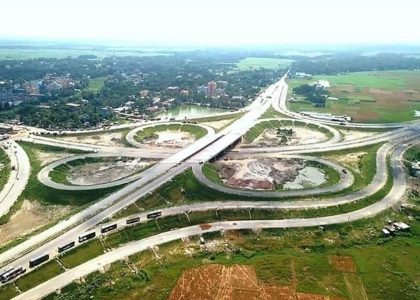
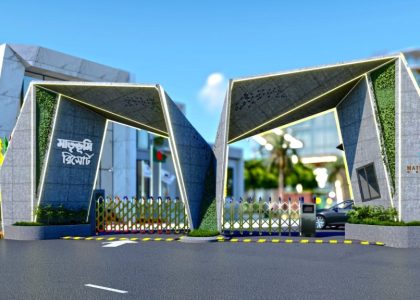
Fractional resort ownership projects have increasingly adopted this same installment logic, applying it to smaller, more accessible entry points than a full property purchase would require. A project like Matribhumi Resort, developed along the Dhaka-Mawa corridor near Nimtola, structures its resort shares with installment options that let an investor commit to a share at today’s price and pay it off over an agreed schedule, without interest charges stacking on top of the agreed total.
This matters specifically because fractional ownership already lowers the entry barrier compared to buying an entire property outright. Combining that lower entry point with an interest-free payment structure means an investor does not need either a large lump sum or a bank loan to participate in the underlying land and resort ownership story. You can review current share pricing and payment structure details on the Matribhumi City official website.
As with any installment commitment, the obligation to keep paying on schedule remains real, and missing payments can trigger the same late fee and cancellation provisions that apply across the sector under the 2010 Act.
The Inflation Angle Most Buyers Never Notice
There is a quieter benefit to a fixed-price installment plan that rarely gets mentioned, and it works in the buyer’s favor precisely because of the inflation story covered elsewhere on this site. When a developer locks in a total price today and lets you pay it off over three, five, or more years, every later installment is being paid in future taka, which buys less than today’s taka due to ordinary inflation.
In practical terms, if inflation runs anywhere close to the 8 to 9 percent range Bangladesh has experienced recently, the real, inflation-adjusted burden of your installment payments quietly shrinks each year, even though the number on the receipt stays exactly the same. A payment of BDT 50,000 due in year four costs you less in real purchasing power than the same BDT 50,000 would have cost in year one, simply because prices and wages around you have moved upward in the meantime.
This is the mirror image of what happens to a saver stuck in a fixed-rate bank deposit. There, inflation erodes the value of what you are owed. Here, inflation quietly reduces the real weight of what you owe. It is one more reason installment-based real estate and resort ownership has looked increasingly attractive to buyers who have done the full comparison rather than stopping at the headline price.
None of this is guaranteed to work out perfectly, since wage growth does not always keep pace with inflation for every household, and a sudden income shock can make even a shrinking real payment feel large in a difficult month. But structurally, a fixed nominal installment schedule during an inflationary period tends to favor the buyer over time, which is worth factoring into the decision alongside the more obvious interest savings.
The Risks Nobody Puts in the Brochure
An interest-free installment plan removes the interest cost, but it does not remove every risk, and pretending otherwise would be dishonest.
Missing a payment still carries consequences. Under the governing law, a late installment can trigger a 10 percent penalty on that payment, and a pattern of missed payments can eventually lead to cancellation of the allocation, with the developer required to refund the deposit only after deducting a portion and only within a set window. Committing to a schedule you cannot reliably meet is a real financial risk, even without interest involved.
Project delivery risk also does not disappear. You are still exposed to whether the developer finishes construction on time and to specification, and installment payments continue regardless of construction progress unless your specific agreement ties payments to delivery milestones. It is worth explicitly asking whether the schedule is calendar-based or milestone-based, since the two carry very different risk profiles.
Finally, opportunity cost cuts both ways. The strategy of investing the retained liquidity elsewhere only pays off if that other investment actually performs. A plan built on assumptions about future returns from stocks, another property, or any other asset carries the same uncertainty as that underlying investment, and a downturn there does not excuse you from the installment obligation still sitting on your calendar.
A Short Checklist Before Signing Any Installment Agreement
Before committing to any interest-free installment plan, whether for a full property or a fractional resort share, a few questions are worth asking directly.
- Is the total price fixed for the entire schedule, or can it be revised mid-way through the plan?
- Is the payment schedule tied to calendar dates or to actual construction milestones?
- What exactly happens, in writing, if a single payment is late versus if several are missed?
- Is the land title clean and independently verifiable before the first payment is made?
- What is the exact refund process and timeline if you need to exit the agreement early?
- Is the developer registered and compliant with RAJUK and the relevant real estate regulations?
A credible developer will have clear, written answers to every one of these before asking for a single taka.
Who This Strategy Actually Suits
This approach tends to work best for buyers and investors who have steady, predictable income, since the entire advantage depends on reliably meeting the schedule without needing the late-fee safety net. It also suits people who already have a separate investment or savings plan for the liquidity they are freeing up, rather than assuming they will figure that part out later.
It suits less well anyone with irregular income, anyone without a cushion for a missed payment during a rough month, and anyone tempted to treat the freed-up cash as spending money rather than as capital meant to be working somewhere else.
Frequently Asked Questions
Is an interest-free installment plan actually free of hidden costs? The core price should not carry interest, but buyers should still check for administrative fees, registration costs, and any penalty terms for late payment, which are separate from interest and still apply.
Is this legal in Bangladesh? Yes. The Real Estate Development and Management Act 2010 specifically governs how developers can structure installment payments and caps the penalty for late payments, giving buyers a clear legal framework rather than an informal arrangement.
Can I use an interest-free installment plan for a fractional resort share? Many fractional ownership projects, including resort share models like Matribhumi Resort, offer installment-based entry, which lowers the upfront capital needed compared to a lump-sum purchase.
What happens if I miss a payment? Under the governing law, a missed installment can carry a late fee of around 10 percent on that specific payment, and a pattern of missed payments can eventually lead to cancellation of the allocation after a required notice period.
Final Thoughts
Tanvir eventually skipped the bank loan entirely. He picked a project with a clear, written installment schedule, verified the land title before signing anything, and kept the money he would have spent on interest sitting in a short-tenure FDR instead, using it as a buffer for any month his income dipped. Five years in, he owns his share outright, and he never paid a single taka of interest to get there.
That is the actual promise of this strategy, not a shortcut around paying for property, but a smarter way to pay for it without a bank’s markup riding along for the entire journey. Used carefully, with a realistic budget and full attention to the fine print, an interest-free installment plan can make real estate ownership, including fractional resort ownership, genuinely accessible in a way a 14 percent loan rarely is.
Review the complete terms of any installment agreement with a legal professional before signing, and confirm every detail in writing directly with the developer. This article is general information, not personalized financial or legal advice.
To explore the current Matribhumi Resort installment structure and entry pricing, visit the Matribhumi City official website, or read our companion piece on how resort share investment compares to a traditional bank FDR for more on financing real estate the smart way.