
My cousin brought this up over tea last winter. He had just come back from a wedding in Munshiganj and could not stop talking about a resort project going up near the Padma Bridge. “You do not buy the whole place,” he said, stirring his cup a little too fast. “You just buy a piece of it, and it pays you back.” I remember thinking it sounded a bit like a fairy tale for people who grew up believing land was the only safe place to put your money.
It is not a fairy tale. It has a name, and that name is fractional resort ownership. The idea has quietly existed in Europe and the United States for over three decades, and now it has found its way to Bangladesh, right along the Dhaka-Mawa corridor. If you have been searching for how resort share investment works in BD, or wondering whether a project like Matribhumi Resort is worth a closer look, this piece walks through the whole picture, the good parts and the parts you should question before signing anything.
What Fractional Resort Ownership Actually Means
Fractional ownership, in the simplest terms, is when a group of people jointly own a single high value property instead of one person carrying the whole cost. Each person holds a documented share of the asset, and that share usually comes with some mix of usage rights, a portion of the income, and a stake in whatever the property is worth later.
The model usually applies to a high value tangible asset such as a jet, a yacht, or a piece of resort real estate, and it is typically driven by the desire to split the cost of maintaining something that will not be used full time by one owner, as a widely referenced overview of the practice on Wikipedia explains. Resorts fit this model unusually well because a resort is, at its core, a business with rooms, restaurants, and event spaces that keep generating revenue long after the ribbon cutting ceremony.
The Resort Development Organisation, a body that has tracked this industry for years, explains that fractional ownership lets people hold an interest in a luxury property they might not otherwise afford, and that it appeals equally to people who could pay for the whole thing but simply do not have the time to use or maintain it year round. That second part matters more than people admit. Most working professionals in Dhaka are not looking for a second home to manage. They are looking for an asset that manages itself.
How Resort Share Investment Works in Bangladesh
The mechanics are fairly straightforward once you see them laid out. A developer builds or plans a resort on a plot of land, then divides the ownership of that property into a fixed number of shares. Each share is sold to an individual investor, and the money raised funds construction and operations.
Once the resort opens, income from room bookings, banqueting, restaurants, and other facilities gets pooled and distributed among shareholders, usually on an annual basis, after operating costs and management fees are deducted. A professional management company runs the day to day work: housekeeping, marketing, staffing, and guest relations. You are not expected to check anyone in at the front desk.
This is different from buying a plot for the Dhaka Smart City style projects that most Bangladeshis grew up around. A residential plot sits quietly until you sell it. A resort share is tied to an operating business, so its performance is linked to occupancy rates, seasonal demand, and how well the management team runs the property. That is a meaningful distinction, and it cuts both ways. It can generate income sooner, but it also means your returns are not fixed or promised the way a bank deposit is.
Where Matribhumi Resort Fits Into This Story
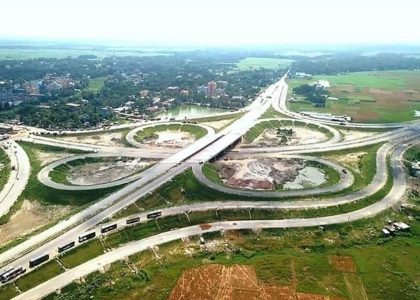
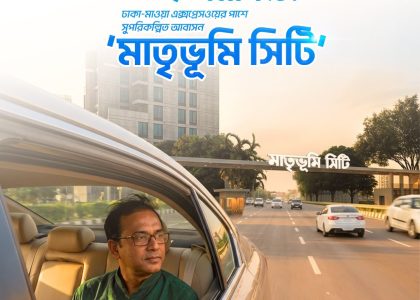
Matribhumi Resort is one of the more talked about examples of this model taking shape in Bangladesh right now. The project sits close to Nimtola, along the Dhaka-Mawa corridor, roughly the same stretch of road that has turned into the country’s fastest growing weekend getaway belt since the Padma Bridge opened.
That geography is not an accident. The bridge cut travel time from Dhaka to the southwestern districts dramatically. A lead economist at the World Bank has pointed out that the crossing shaved roughly 100 kilometers off the journey for close to 27 percent of the country’s population, with knock on effects expected for business and agriculture. Separate economic analysis of the project has projected a lift of around 2 percent to annual GDP in the southern region and more than 1 percent to the country’s overall GDP, with tourism specifically named as one of the sectors expected to benefit.
For a resort positioned along that same corridor, the practical upside is simple. More people driving south on weekends means more potential guests for restaurants, banquet halls, and overnight stays. Whether Matribhumi Resort or any similar project actually captures that demand depends on execution, not just location, so it is worth visiting the site yourself and asking direct questions about occupancy plans before committing any money.
Saf Kabala and Why Documentation Still Comes First
Bangladeshi land transactions have a paper trail that goes back generations, and a Saf Kabala deed is one of the most common forms in that trail. It is a registered sale deed that transfers absolute ownership of land or property from a seller to a buyer, recorded at the local sub registrar’s office.
When a company sells resort shares in Bangladesh, how that share is documented matters enormously. A share backed by a properly registered deed, mutation records, and clear title is a fundamentally different thing from a share backed only by an internal company certificate. Before buying into any resort share scheme, ask specifically what legal instrument backs your ownership, whether it is registered, and whether an independent lawyer can review it before you sign. This is standard due diligence anywhere in the world, and Bangladesh’s land registration system, while sometimes slow, is not something you should skip past.
Why People Are Choosing Resort Shares Over a Full Vacation Home
Buying an entire vacation property outright has always carried a certain appeal, and also a certain exhaustion. You are responsible for security, staff, maintenance, and the slow decay that happens when nobody visits for six months.
Fractional ownership removes most of that burden. A few reasons keep coming up when people explain why they picked a resort share instead of a standalone property.
The entry cost is dramatically lower than buying comparable resort grade real estate outright, which opens the door to people who could never afford a full luxury property on their own.
Professional management handles the operational headaches, from gardening to guest complaints, so your involvement stays passive.
You typically retain some personal usage rights, meaning family holidays at the property without paying full market rate every time.
Income, when the resort performs well, arrives as a share of actual revenue rather than sitting locked up in an appreciating but non earning plot.
None of this means a resort share is automatically a better financial decision than land ownership. It means it solves a different problem, mainly the problem of wanting exposure to hospitality real estate without running a hotel yourself.
Commercial Passive Income Real Estate in Bangladesh: A Wider Lens
Bangladesh’s real estate market has traditionally leaned heavily toward residential plots and apartments, with commercial hospitality assets treated as a specialty niche for larger corporate groups. That is shifting, slowly.
Publicly listed hospitality companies give a useful reference point for how this sector actually performs at scale. Established players in the space post real, audited financial results every year, and those numbers include both strong years and weak ones, which is a useful reminder that hospitality income is not guaranteed. Occupancy swings with the season, with the economy, and with events entirely outside anyone’s control.
That volatility is exactly why fractional resort ownership belongs in a diversified plan rather than functioning as someone’s entire savings strategy. Treat it the way you would treat any equity style investment: with reasonable expectations, a long time horizon, and money you are prepared to see fluctuate before it grows.
What Kind of Returns Should You Actually Expect
This is the part where a lot of marketing material gets carried away, so it is worth being deliberately careful here. No resort share, in Bangladesh or anywhere else, can honestly promise a fixed annual dividend before the property has a real operating history. Anyone guaranteeing a specific percentage return before a single guest has checked in is selling a story, not a financial product.
What a well run resort share can realistically offer is a proportional slice of actual operating income once the property is functional, plus whatever the underlying land and buildings appreciate in value over time. Both of those depend heavily on occupancy, management quality, local tourism trends, and general economic conditions. Ask any company selling shares for their projected occupancy assumptions, their management fee structure, and how income gets distributed and taxed. If those answers are vague, treat that vagueness as your answer.
It is also worth remembering that Bangladesh does not yet have a mature secondary market for reselling resort shares the way, say, publicly traded shares can be sold on the stock exchange. Exiting early may take longer and cost more than exiting a listed security, so factor liquidity into your decision alongside potential income.
The Free-Cation Idea, and Why It Is Genuinely Appealing
One part of this model that rarely gets skeptical pushback, because it does not need to, is the personal use benefit. Owning a fraction of a resort usually comes with some allotment of nights you can use yourself, often at a discount or at no charge depending on the agreement.
For a family in Dhaka that already spends money every year on weekend trips to Cox’s Bazar or the Sundarbans, redirecting some of that recurring expense into an asset that eventually pays for itself is a genuinely reasonable idea. It will not replace a pension, but it does turn a cost center into something with at least a chance of turning a profit.
How to Get Started With a Resort Share
If you are seriously considering a resort share investment, a methodical approach protects you far better than excitement does.
Visit the physical site before paying anything, ideally more than once, and at different times of day.
Request the actual legal documents, including the deed structure and any shareholder agreement, and have a lawyer review them independently of the sales team.
Ask for the company’s registration details, prior project history, and, where available, financial statements from any operating properties they already run.
Clarify exactly how income gets calculated, distributed, and taxed, and get that in writing rather than as a verbal promise from a sales representative.
Understand the exit process in advance, including whether shares can be resold, transferred, or bought back by the company.
None of these steps are unique to Bangladesh or to resort investing specifically. They are the same steps that protect buyers in any market where an asset is new and the track record is still being built.
Risks Worth Sitting With Before You Commit
A fair article on this topic has to spend a paragraph on the uncomfortable part. Fractional ownership schemes, particularly newer ones in emerging markets, can attract both genuinely well run developers and less scrupulous ones riding the same trend. The difference between the two is rarely obvious from a glossy brochure or a persuasive sales call.
Construction delays happen. Occupancy projections in marketing material are often optimistic by design. And because this asset class is still new in Bangladesh, there is limited regulatory precedent specifically built around resort fractional shares compared to, say, listed equities or mutual funds. None of that means the model is untrustworthy. It means the burden of verification sits with you, the buyer, more than it would with an established, regulated financial product.
If something about a specific offer feels rushed, or if a discount seems designed to create urgency rather than reflect genuine early stage pricing, slow down. A legitimate opportunity will still be there next week after your lawyer has read the paperwork.
Bringing It Back to Matribhumi
Whatever you decide about Matribhumi Resort specifically, the broader trend it represents is worth understanding on its own terms. The Dhaka-Mawa corridor has changed, permanently, because of the bridge, and hospitality real estate along that stretch is one of the more logical beneficiaries of that change.
Fractional ownership gives ordinary investors a way into that story without needing the capital of a hotel chain behind them. It is not a shortcut to guaranteed wealth, and anyone telling you otherwise is not being straight with you. It is, at its best, a patient bet on a specific piece of geography and a specific management team’s ability to run a hospitality business well.
For anyone weighing this decision, the most useful next step is not reading another blog post. It is visiting the project site, meeting the team behind it, and asking the direct, sometimes uncomfortable questions listed above. You can learn more about current project details and available shares directly through mdplbd.com, and it is worth treating that conversation with the same seriousness you would bring to buying a home.
A Closing Thought
My cousin, by the way, did eventually put money into a small share of a project near Mawa. He still talks about it, though these days with a bit less breathless excitement and a bit more patience. He checks occupancy updates the way some people check cricket scores. Whether it pays off the way he hopes remains to be seen, and he knows that, which is exactly the right way to go into something like this.
Resort share investment in Bangladesh is still young. It carries real promise tied to real infrastructure changes, and it carries real risk tied to being new. Go in with your eyes open, your lawyer on speed dial, and your expectations calibrated to reality rather than to a brochure.
A Few Common Questions
What is fractional resort ownership and how does it work in Bangladesh? It is a model where a resort’s ownership is split into shares, sold to individual investors, so that each person holds a documented stake in the property along with a proportional claim on its income and value. In Bangladesh, this has started appearing along growth corridors like Dhaka-Mawa, where developers are pairing the model with tourism demand created by new infrastructure.
What are the benefits of buying fractional resort shares over a full vacation home in Bangladesh? The biggest difference is cost and effort. A full vacation home ties up significant capital and leaves you responsible for staff, security, and upkeep whether or not you visit. A resort share spreads that cost across many owners and hands daily operations to a management company, while usually still giving you some personal usage rights.
How can you earn passive income from luxury resort shares in Bangladesh? Income typically comes from your proportional share of the resort’s operating revenue, room bookings, banquet halls, and food and beverage sales, distributed after operating costs and management fees. It is passive in the sense that you are not running the business day to day, but it is not passive in the sense of being guaranteed, since it still depends on how well the resort performs.
Is there a low investment cost option for fractional property ownership near Dhaka? Entry costs vary by developer and by how many shares a given property is divided into, so it is worth comparing a few projects along the same corridor rather than assuming the first offer you hear about is representative of the whole market.
What should the fractional ownership process and profit sharing look like for a project like Matribhumi Resort? At a minimum, expect a registered ownership document, a clear written explanation of how revenue is calculated and split, a defined management fee structure, and a stated policy on personal usage nights. If any of these four pieces is missing or vague, ask for clarity before paying anything.